

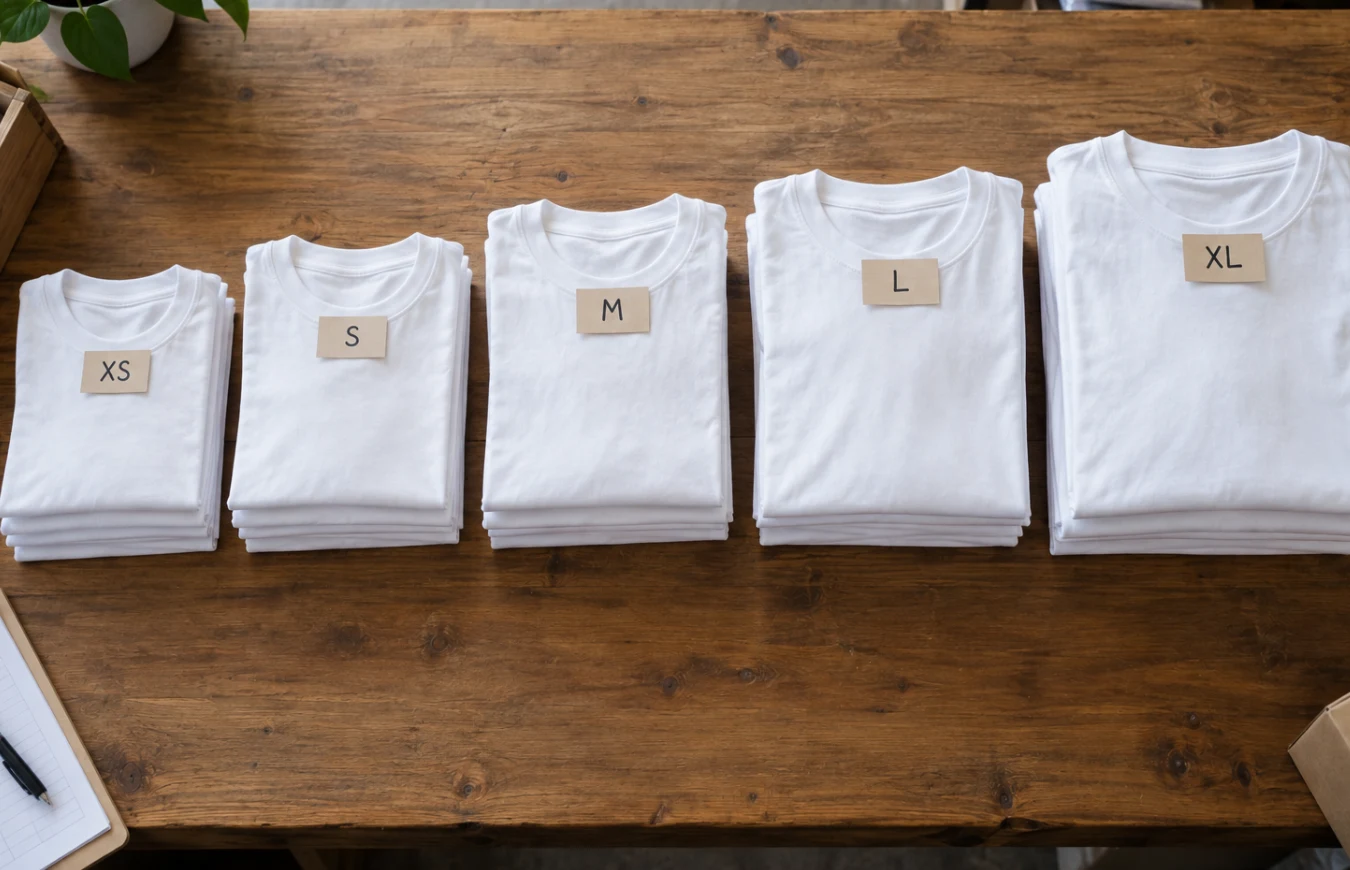
A t-shirt size guide only earns its keep when it matches the exact garment going through the printer, not a generic chart borrowed from somewhere else. T-Shirt Nation prints on 100% combed cotton round neck tees at 180 GSM, and that fabric weight behaves differently from the thinner blends found elsewhere in Dubai. Get the size wrong on a personalised print, and there’s no fixing it after the fact. The design is already on the fabric.
Table of Contents:
Why Does Custom T-Shirt Sizing Differ From Off-the-Shelf Charts?
Custom t-shirt sizing depends on the base garment a printer chooses to work with, and that varies more than most buyers expect. The Round Neck T-Shirt uses premium combed cotton with a 180 GSM thickness, giving it more structure than the lighter tees sold in fast fashion stores. That extra weight changes how a size medium sits on the body. It holds its shape better, breathes differently, and doesn’t cling the way thinner cotton does.
How to Measure Yourself Before You Order
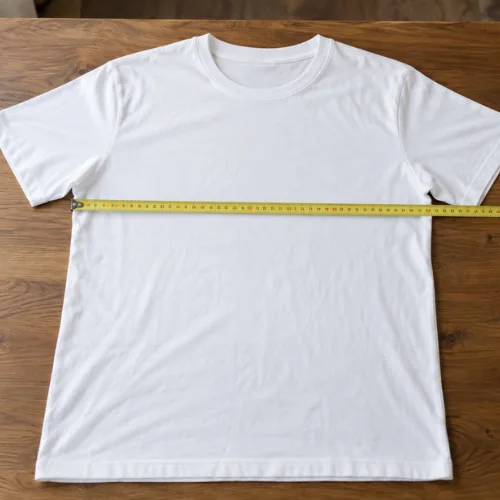
Skip the guesswork. Find a t-shirt already in your wardrobe that fits the way you want the new one to fit, lay it flat on a table, and measure it to the pit across the chest, then double that number for the full chest measurement. Do the same for length, from the collar seam down to the hem. Shoulder width matters too, especially for anyone ordering polo shirts or uniforms where a boxy fit reads as sloppy rather than intentional. Comparing these numbers against a printer’s actual size chart works far better than guessing based on a regular retail size, since custom-cut batches rarely match international retail sizing exactly.
Reading This T-Shirt Size Guide: XS to 3XL and What Actually Changes
Between sizes, the differences aren’t just chest width. Shoulder seams shift outward, sleeve length increases slightly, and torso length grows to keep proportions balanced rather than just stretching one dimension. This matters most for bulk orders. A school ordering uniforms or a company printing team shirts for an event needs a spread across sizes, not one size multiplied by headcount. Collecting individual measurements ahead of a group order, even a rough self-reported size from each person, saves reprints later and keeps everyone in a shirt that actually fits.
Classic Round Neck vs Oversized Fit: Which One to Print
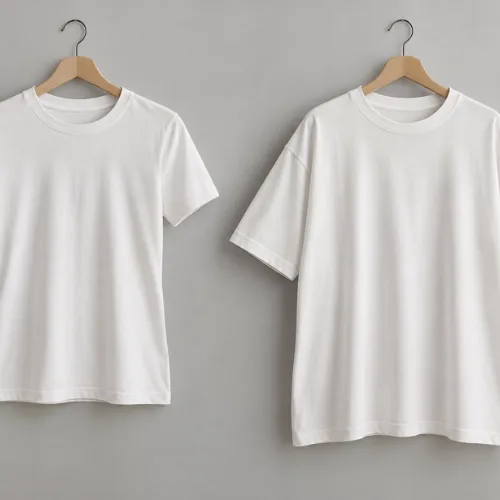
Two very different silhouettes exist under the same “t-shirt” label. The standard round-neck t-shirt sits close to the body with a traditional crew cut, which suits corporate branding, uniforms, and anything meant to look tidy on camera. The round neck over size t-shirt drops the shoulder seams lower and adds extra room through the body, built for streetwear and casual branding rather than office wear.
Fabric Weight and Why It Affects Fit Over Time
Heavier cotton, like the 180 GSM used here, tends to hold its original shape through more wash cycles than lighter blends. Garment industry measurement standards, the kind of textile testing bodies use to define consistent body measurement across manufacturers, generally recommend measuring a well-fitting existing garment flat rather than relying purely on body measurements, since fabric drape changes the final fit. Cotton can shrink slightly after the first few washes regardless of GSM, so ordering a true size rather than sizing down for a tighter look tends to hold up better long term.
Final Thoughts
Getting sizing right on a custom print comes down to matching real measurements against the actual garment being used, not a size label copied from a different brand. That’s really the whole point of a t-shirt size guide: fewer reprints, fewer disappointed customers holding a shirt that doesn’t sit right. Before placing an order, would it help to see a size comparison chart alongside sample photos of the round neck versus oversized cut?
FAQ
Measure an existing shirt that fits well rather than guessing from memory. Lay it flat, measure pit to pit and collar to hem, then match those numbers against the size chart on the product page instead of assuming your regular retail size carries over exactly.
It doesn’t run bigger or smaller so much as it is more structured. The added weight holds its shape against the body rather than clinging or sagging, so a true-to-size order usually looks closer to the intended fit than sizing down.
Splitting a group order across several sizes usually works out cleaner than printing one size for everyone. A 30-person school order might need six mediums, ten larges, and a handful of extra larges once actual measurements come in, so collecting sizes before checkout avoids costly reprints later.
Shoulder seams sit lower on oversized cuts, and there’s noticeably more room through the body and sleeves. Regular round necks fit stay closer to the torso, which tends to suit corporate branding better than streetwear-style oversized cuts.
Cotton garments, including 180 GSM combed cotton, can shrink slightly during early wash cycles regardless of quality. Ordering a true size rather than a tighter fit generally accounts for that natural shrinkage over time.